Environmental Precautions
NĒNĒ GOOSE
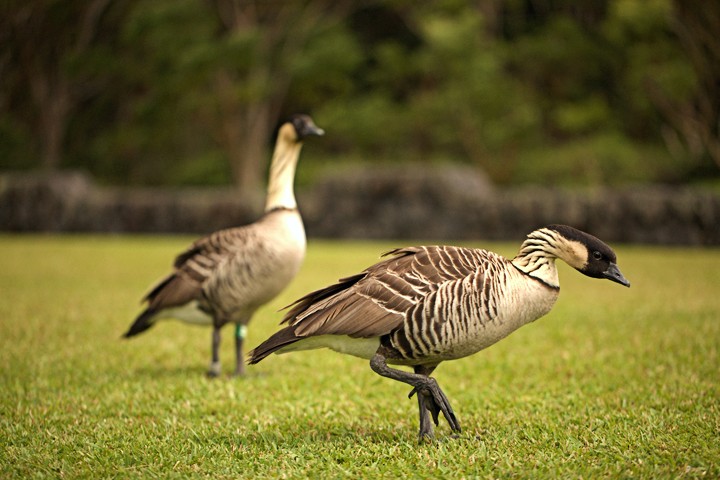
Endangered Nēnē (Hawaiian geese) frequent this area.
The Nēnē (Branta sandvicensis), also known as Nēnē and Hawaiian goose, is a species of bird endemic to the Hawaiian Islands.
The official bird of the state of Hawai`i, the Nene is exclusively found in the wild on the islands of `Oahu, Maui, Kaua`i, Moloka`i, and Hawai`i. It is also a Federally Protected Species.
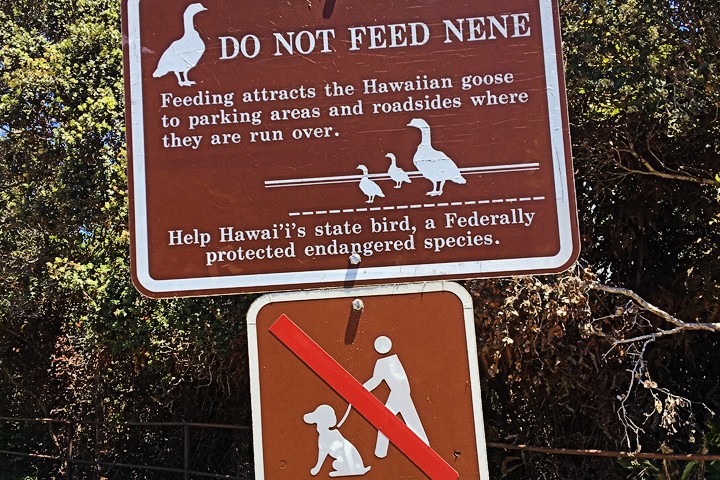
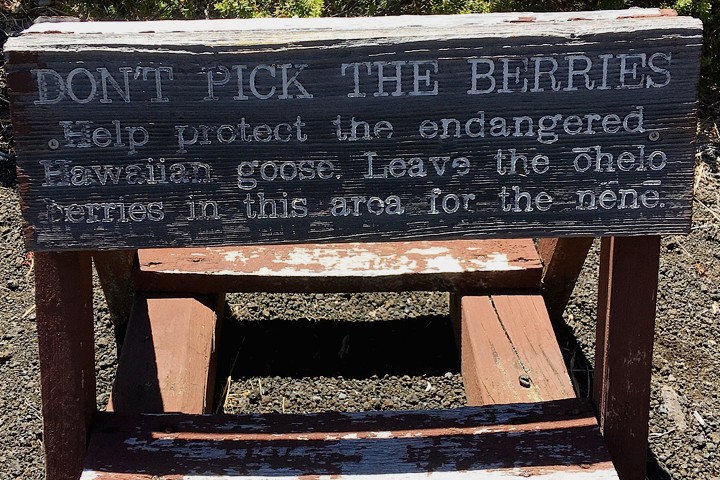
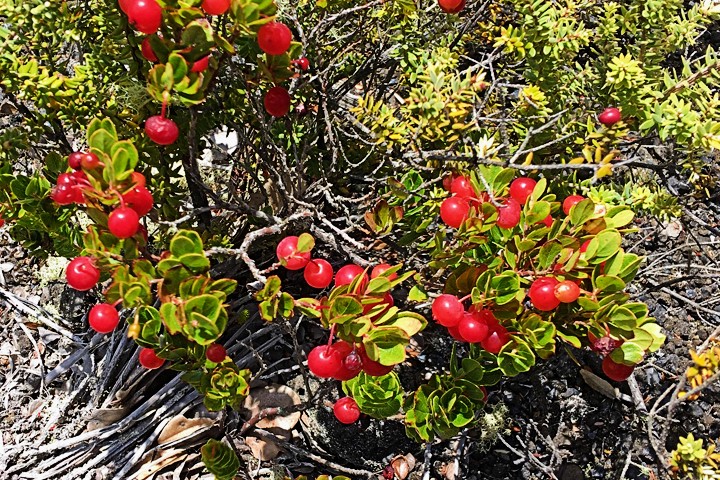
Please use caution when parking. Don't feed the Nēnē or don’t pick the `Ōhelo berries because the Nēnē feed on them. Mahalo!
Be pono near Nēnē:
- Keep your food to yourself. Feeding any birds or feral animals is not a kind act: it teaches birds like nēnē to come to cars, roads and close to our homes where they can be killed. There is plenty of food and water for native birds, and their natural grinds are much better for them than foods we humans eat. Nēnē can also be put at risk when people leave food outside for other animals, like feral cats. Donʻt feed nēnē, don’t feed feral cats, and don’t leave pet food outside.
- Keep your dogs on a leash. Even the best-behaved dogs can threaten or kill these birds, and all Hawai‘i counties have leash laws.
- Keep your cats inside your house. Even fed cats still practice hunting and can kill goslings. Toxoplasmosis from cat poop spreads to other animals, including nēnē, and can kill them.
- Keep your speed down when you see a nēnē near a road. Our paved roads look just like pāhoehoe lava flows to a nēnē – the perfect place to get your feet warm on a cold morning. Large birds like nēnē need a long runway for take-off and can’t instantly jump into the air to dodge a speeding car.
- Keep your distance. Maintain 60 ft or 1.5 m distance. This is equivalent to the length of 4 cars. These are wild animals with their own lives to lead. Approaching for a selfie could push them into a road, keep them from eating, or drive them from a nest.
Rocks
Leave rocks in their rightful place.
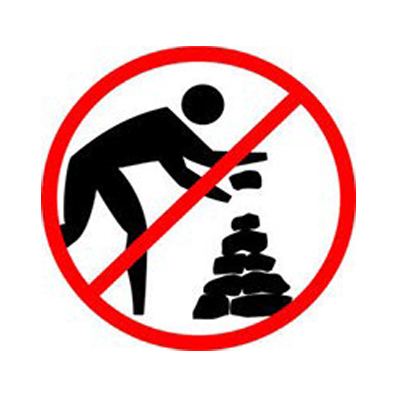
Park staff may use ahu (stacked rocks) to mark some trails and keep visitors safe. Please do not create new ones. The stacking of rocks can be culturally offensive, disorienting to hikers, and potentially against the law.
Do not remove lava rocks from the park.